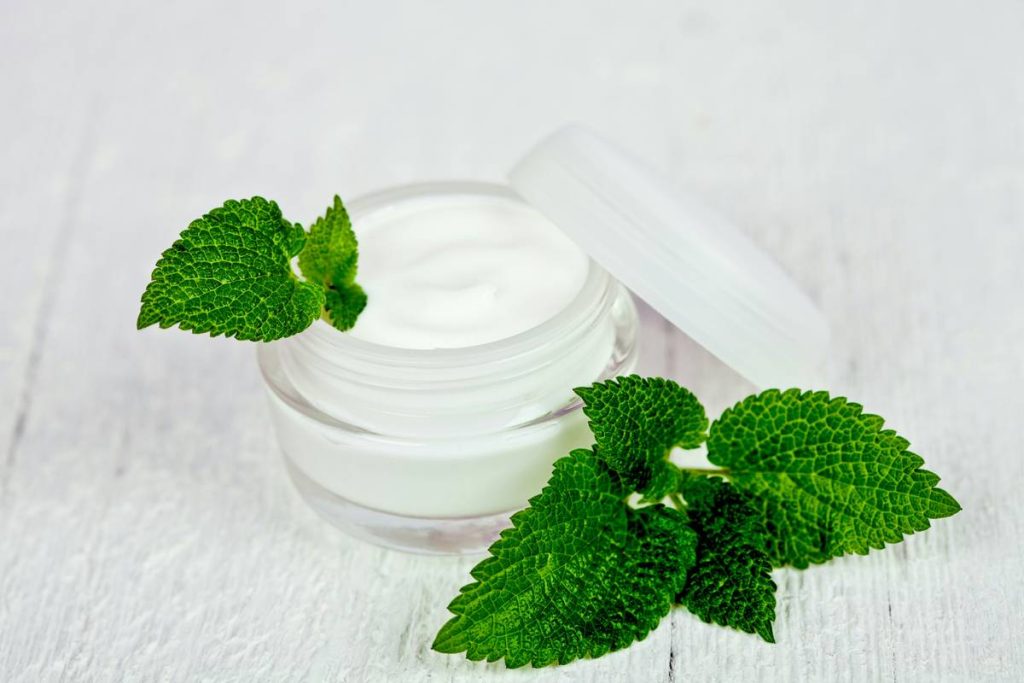
Most “natural” skincare lines are 90% marketing, 10% plant. You slather on bottles labeled “botanical,” yet your skin stays dull, reactive, or worse—sensitized. The problem? Synthetic fillers masquerading as miracles. What if the fix isn’t another serum—but access to a true natural extract skin care center where purity isn’t optional?
The Illusion of “Natural” Skincare
Brands slap “organic” on labels like confetti. But dig deeper. That “aloe vera extract”? Often diluted in alcohol, preserved with parabens, then bulked up with glycerin from palm oil derivatives. And don’t get me started on “fragrance”—a legal black hole hiding dozens of undisclosed synthetics.
Your skin absorbs up to 60% of what you apply. Yet most products contain less than 5% active botanical matter. The rest? Water, thickeners, stabilizers. Not exactly the elixir your grandmother swore by.
How to Build an Authentic Natural Extract Skin Care Center at Home
You don’t need a lab—or a six-figure budget. You need method. Precision. Respect for plant chemistry.
Selecting High-Potency Botanicals
Not all plants are created equal. A chamomile bloom picked at dawn on volcanic soil contains triple the azulene of greenhouse-grown stock. Source dried herbs from ethical wildcrafters—not Amazon resellers. Look for batch-specific COAs (Certificates of Analysis). If they can’t provide one, walk away.
Extraction Methods That Actually Work
Cold infusion? Fine for beginners. But for serious bioactivity, you need techniques that preserve volatile compounds without heat degradation. Think solar maceration or glycerite extraction. Alcohol tinctures? Powerful—but strip water-soluble polysaccharides your skin craves for barrier repair.
| Extraction Method | Best For | Active Yield | Shelf Life |
|---|---|---|---|
| Cold Infusion (Oil) | Calendula, Comfrey | Moderate | 6–8 months |
| Glycerite (Water-Glycerin) | Aloe, Marshmallow Root | High (mucilage intact) | 12+ months |
| Solar Maceration | Lavender, Rosemary | Very High (volatile oils preserved) | 9–12 months |
| Alcohol Tincture | Neem, Echinacea | High (alkaloids extracted) | 2+ years |

Formulating Without Compromise
Never mix extracts directly into commercial creams. Emulsifiers and pH shifters destabilize them. Instead, layer: apply your glycerite toner first, let it dry, then seal with a cold-pressed jojoba base. Your skin drinks actives—not preservatives.
The Industry Secret: “Batch Variability” Is Your Ally
Big brands obsess over consistency. Every bottle must smell, look, and perform identically—year after year. To achieve this, they standardize with synthetic isolates. But nature doesn’t work in binaries. A rosehip oil from Chile’s spring harvest differs from autumn’s—and that’s a feature, not a flaw.
At a real natural extract skin care center, seasonality is honored. Your summer calendula oil might be lighter; your winter batch richer in oleic acid. This adaptive synergy teaches your skin resilience. Mass production strips that intelligence away.
And here’s the kicker: most “clean beauty” certifications allow up to 5% synthetic ingredients. Read the fine print. Always.
Frequently Asked Questions
Can I replace store-bought serums with homemade extracts?
Yes—for hydration and mild actives. But avoid DIY for high-strength acids or retinoids. Stick to gentle extracts like green tea or licorice root for daily use.
How long do natural extracts last without preservatives?
Glycerites last 12+ months; oil infusions 6–8. Store in amber glass, away from light and heat. Discard if cloudy or sour-smelling.
Is a natural extract skin care center suitable for sensitive skin?
Often more so—because you control every ingredient. Patch-test new botanicals. Start with low concentrations of single-plant extracts before blending.

Your skin isn’t broken—it’s been betrayed by shortcuts. Reclaim its rhythm with extracts that breathe, adapt, and heal. Ready to build your own sanctuary? Explore formulations curated by master herbalists at venxorita.org—where every drop honors the plant’s truth.