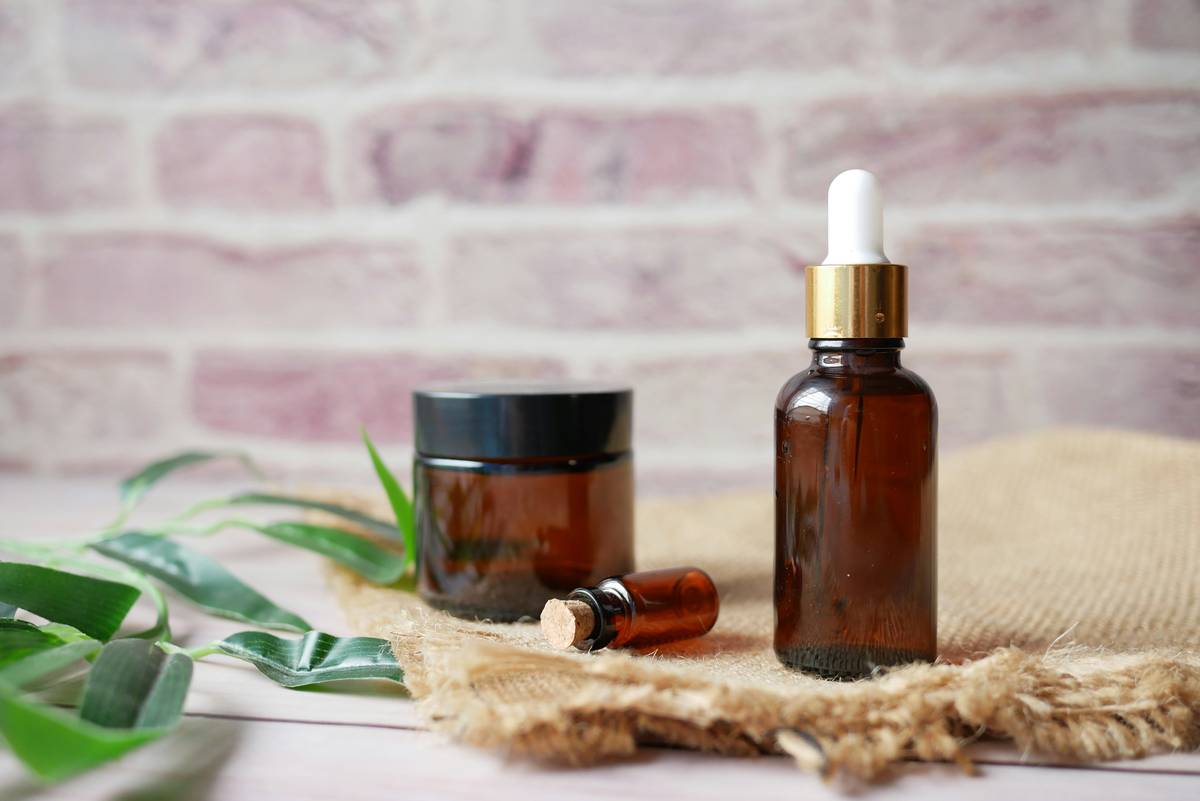
Most “natural” skincare routines are built on diluted myths—not potent truth. You slather on botanical blends hoping for radiance, only to see minimal change. Frustration mounts. Meanwhile, big brands load formulas with fillers and fragrances that irritate more than they heal. The real power? Pure, unadulterated extracts for skin care—concentrated actives that deliver measurable results, not marketing fluff.
Why Standard “Natural” Skincare Fails
“Natural” on a label means almost nothing. A product can contain 1% lavender oil and 99% denatured alcohol—and still call itself botanical. Worse, many commercial extracts are processed with harsh solvents like hexane, stripping away delicate phytonutrients while leaving toxic residues. Your skin absorbs up to 60% of what you apply. Feeding it watered-down, chemically compromised formulas is like trying to hydrate with soda.
And heat-processed extracts? Often dead on arrival. The therapeutic compounds—polyphenols, flavonoids, terpenes—degrade fast when exposed to high temperatures during manufacturing. So you’re paying luxury prices for inert plant ghosts.
How to Use Extracts for Skin Care Like a Clinical Herbalist
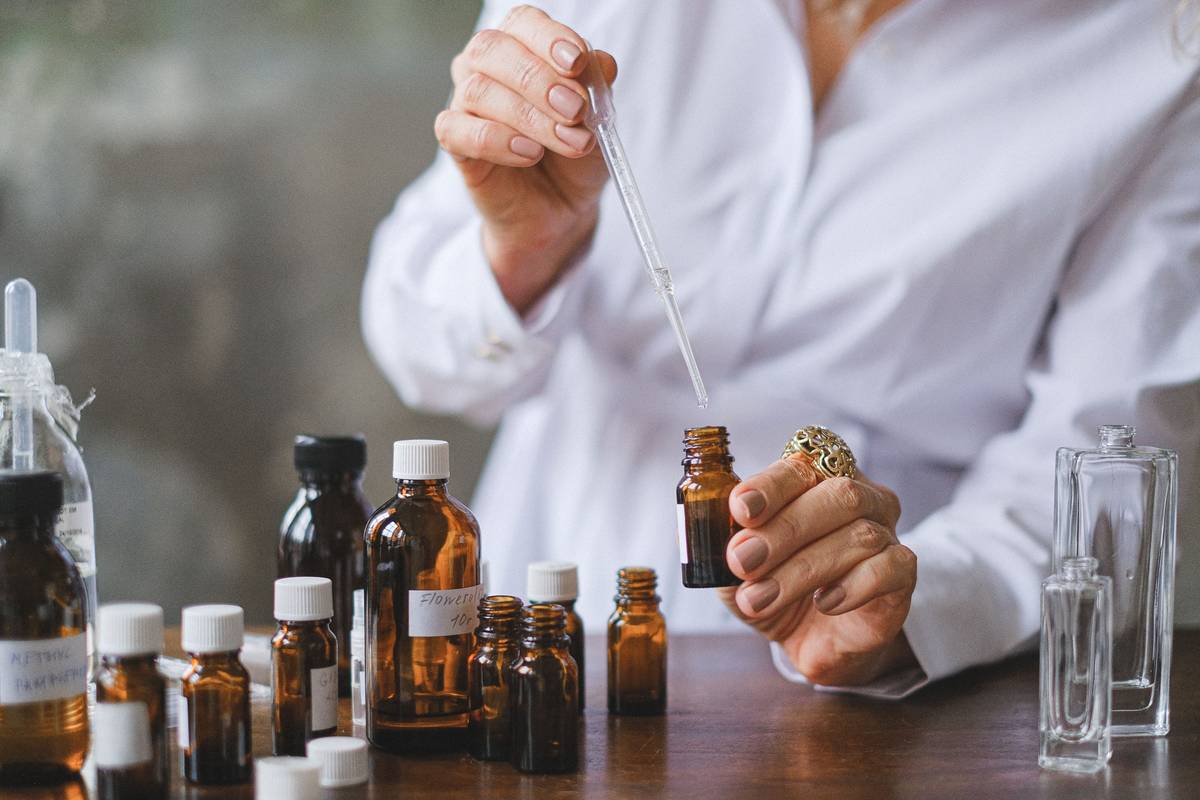
Forget layering ten products. Precision beats volume. Start with cold-processed, solvent-free extracts in glycerin or organic ethanol carriers—never propylene glycol. Apply them directly or blend into minimalist bases like hyaluronic acid gels or jojoba oil. Less is more. Three targeted applications beat ten scattershot ones.
Selecting Therapeutic-Grade Botanical Extracts
Look for CO2 supercritical or cold maceration methods—they preserve bioactive integrity. Avoid anything labeled “fragrance oil” or “nature-identical.” True extracts list the Latin binomial (e.g., Calendula officinalis) and extraction method on the certificate of analysis. If the brand won’t share lab reports, walk away.
Dosage Matters More Than Frequency
A common mistake? Overusing potent extracts like neem or tea tree. These aren’t tonics—they’re concentrates. 0.5–2% dilution in a base is often sufficient. Higher concentrations trigger inflammation, not healing. Patch test first. Always.
Storage = Potency
Oxidation kills efficacy. Keep extracts in amber glass, refrigerated, and use within 3–6 months. Light and air degrade polyphenols faster than you think. That pretty clear bottle on your vanity? It’s slowly turning your investment into expensive water.
| Extraction Method | Active Compound Retention | Typical Cost (per oz) | Best For |
|---|---|---|---|
| CO2 Supercritical | 90–95% | $22–$45 | Anti-aging (e.g., rosehip, sea buckthorn) |
| Cold Maceration (Glycerin) | 70–80% | $8–$18 | Sensitive skin (e.g., chamomile, calendula) |
| Steam Distillation | 30–50% | $5–$12 | Aromatherapy-only (loses water-soluble actives) |
| Solvent-Based (Hexane/Ethanol) | 40–60% + residue risk | $3–$10 | Avoid for facial use |
The Industry Secret: Synergy Beats Single-Ingredient Hype
Here’s what formulators won’t tell you: isolated extracts rarely work alone. Turmeric extract reduces inflammation—but without black pepper extract (piperine), its curcumin bioavailability drops by 80%. Similarly, green tea extract stabilizes vitamin C, preventing oxidation while boosting collagen synthesis. The magic isn’t in one hero ingredient—it’s in intelligent pairing. Most brands skip this because synergistic blends are harder to patent and standardize. But your skin doesn’t care about patents—it cares about results.
Think about it. Traditional systems like Ayurveda and TCM never used solo herbs. They combined them for a reason. Modern science now confirms: whole-plant synergy creates effects no single molecule can replicate.
Frequently Asked Questions
Can I apply pure plant extracts directly to my skin?
No. Undiluted extracts can cause irritation or sensitization. Always dilute to 0.5–2% in a carrier like aloe gel or jojoba oil unless specified otherwise by a professional.
Are organic extracts better than non-organic?
Yes—if certified. Non-organic botanicals often carry pesticide residues that concentrate during extraction. USDA Organic or ECOCERT seals ensure cleaner input material and safer output.
How long do natural extracts last in skincare?
3–6 months when refrigerated in dark glass. Look for changes in color or smell—rancidity means it’s time to toss. Preservatives like radish root ferment can extend life slightly but aren’t foolproof.