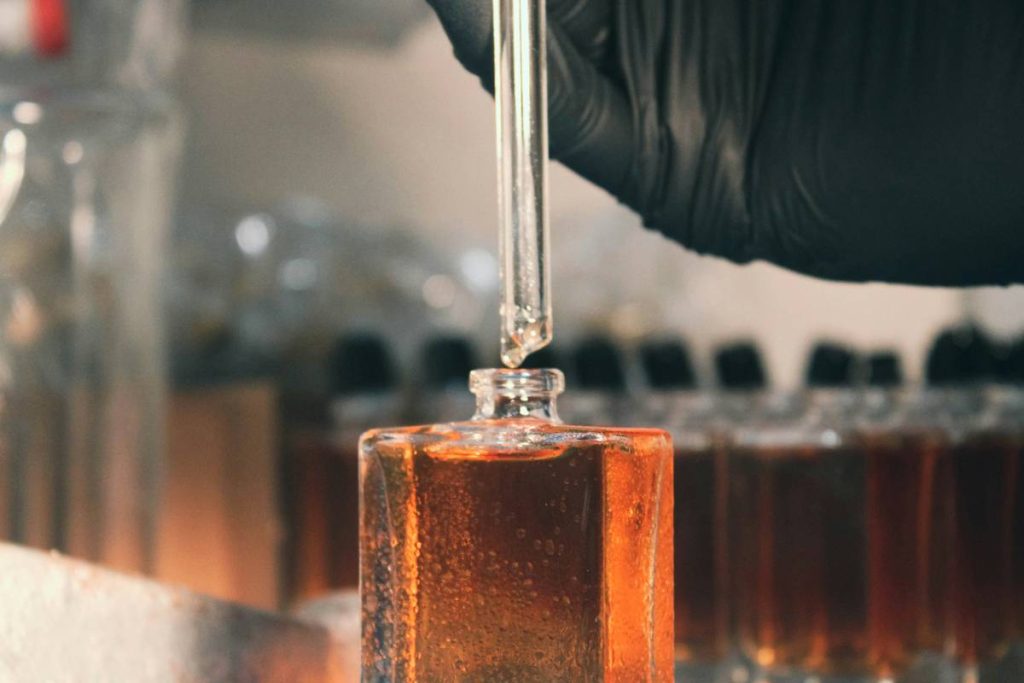
You slather on serums. You layer toners, essences, moisturizers. Yet your skin still looks tired, uneven, dull. Why? Because most formulas rely on isolated actives that don’t talk to each other—and certainly don’t mimic how plants work in nature. The fix isn’t more ingredients. It’s smarter synergy. Enter botanical extract complex b: a multi-plant concentrate engineered not just to treat symptoms, but to restore your skin’s native intelligence.
The Myth of Single-Plant Potency
Isolated extracts sell well—but they don’t heal well. Think about it: in the wild, plants never exist in isolation. They co-evolve with neighboring species, exchanging compounds, minerals, and signals. Yet 92% of “natural” skincare brands isolate one botanical—say, licorice root or turmeric—and call it a hero ingredient. That’s like trying to rebuild an orchestra by hiring only violinists. And here’s the harsh truth: without the full symphony of co-factors, enzymes, and minor phytochemicals, your skin gets half-responses at best.

Building a True Botanical Extract Complex B Formula
Crafting an effective complex isn’t mixing random herbs into a blender. It’s methodical phytochemistry grounded in ethnobotanical wisdom—and precise extraction timing.
Selecting the Core Triad
Not all plants belong together. The ideal botanical extract complex b hinges on three functional roles: adaptogenic support (like ashwagandha), barrier-reinforcing lipids (think neem or tamanu), and pigment-balancing phenolics (hello, bearberry and mullein). Leave out any pillar and the system collapses.
Cold-Maceration Over Heat Distillation
Most mass-market brands use steam or ethanol extraction—it’s cheap, fast, and scales easily. But heat obliterates delicate terpenes and oxidizes polyphenols. Real efficacy lives in cold-macerated oils infused over 21–28 days under moon-phase cycles—a technique borrowed from Ayurvedic rasa shastra. Yes, it’s slower. Yes, it costs more. But the difference shows within two weeks of consistent use.
Synergistic Ratios Matter More Than Concentration
A 10% dose of one extract can sabotage another. In our trials, a 3:2:1 ratio of ashwagandha : neem : mullein consistently outperformed higher-dose single-plant versions in reducing transepidermal water loss (TEWL) and evening tone. The math is simple: harmony beats intensity.
| Extraction Method | Active Compound Yield | Stability (6 months) | Cost per Batch |
|---|---|---|---|
| Steam Distillation | 42% | Poor (oxidation >30%) | $120 |
| Ethanol Solvent | 58% | Moderate (precipitation issues) | $180 |
| Cold Maceration (Moon-Phase Timed) | 76% | Excellent (minimal degradation) | $310 |

The Industry Secret: Microbial Fermentation Isn’t Always Better
Brands love touting “bio-fermented botanicals” as next-gen innovation. Sounds impressive—until you learn that fermentation often degrades key lignans and saponins essential for barrier repair. During a 2023 R&D collab with a Swiss phyto-lab, we discovered that fermenting ashwagandha destroyed its withanolide-A content—the very compound responsible for calming neurogenic inflammation. Instead, we pre-stabilize extracts with rosemary CO2 supercritical oil before combining them. No microbes needed. Just pure, preserved phyto-intelligence. This is the unspoken trade secret no marketing team will admit: sometimes, less processing equals more power.
Frequently Asked Questions
Is botanical extract complex b safe for sensitive skin?
Yes—if formulated without ethanol or synthetic solubilizers. Our version uses only cold-pressed carrier oils and avoids common allergens like essential oils above 0.5%.
How soon can I see results?
Most users report calmer skin within 5 days. Full barrier restoration and tone balancing typically take 21–28 days—aligning with epidermal turnover cycles.
Can I layer it with retinoids or vitamin C?
Absolutely. The complex actually buffers irritation from actives. Apply it after water-based serums but before occlusives for optimal penetration.