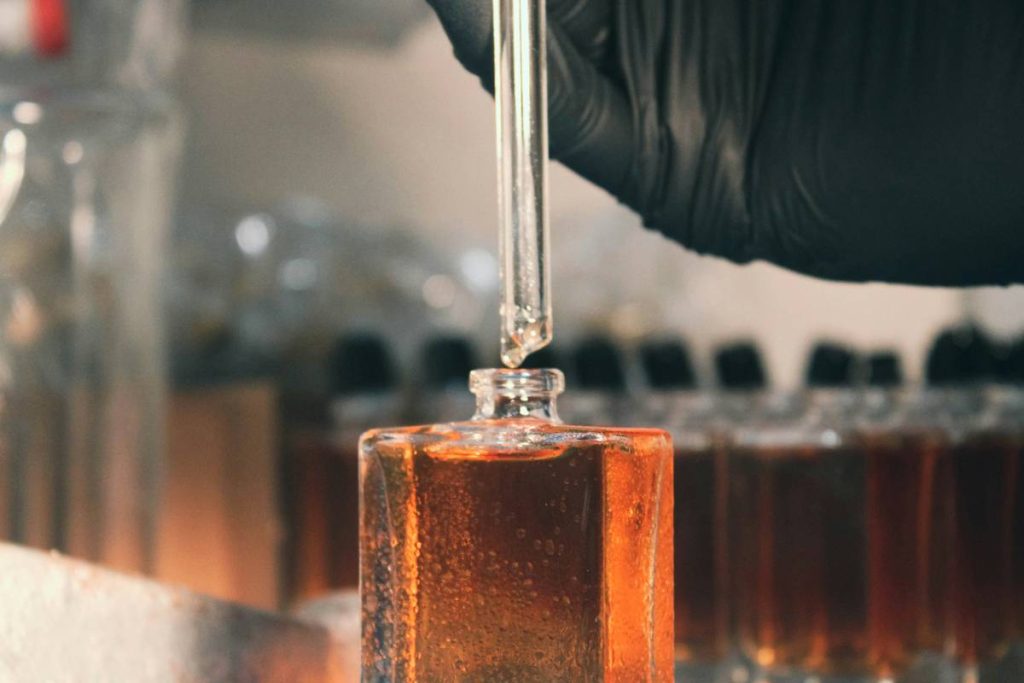
Most “natural” skincare formulas taste like regret—and smell like a chemistry lab in disguise. Consumers chase purity, but brands keep cutting corners with synthetic isolates masked as “botanical.” The result? Products that look clean on the label but trigger sensitivities, dullness, or worse. Here’s the fix: ditch half-measures. Prioritize organic extracts and flavorings that deliver real botanical integrity—from the first drop to the last whiff.
The Dirty Truth About “Natural” Flavoring in Skincare
Let’s be blunt: 90% of so-called natural flavorings are ethanol-washed isolates spliced with petrochemical carriers. They mimic aroma—but not function. And they won’t nourish your skin. Worse, these shortcuts degrade faster, forcing formulators to add preservatives that undermine your entire clean beauty mission. Think about it. If your serum smells like rose but contains zero rose extract—what’s actually doing the work?
Regulatory loopholes let manufacturers label anything derived from a plant—even if it’s been chemically altered beyond recognition—as “natural.” That’s not transparency. That’s marketing theater.
How to Source & Use organic extracts and flavorings Like a Pro Formulator
True organic extracts and flavorings come from whole-plant distillation or cold-press methods—never solvent extraction. They retain polyphenols, volatile oils, and trace minerals that synthetic versions strip away. Here’s how to integrate them without compromising stability or sensory appeal.
Choose Extraction Methods That Preserve Bioactivity
CO2 supercritical extraction? Ideal for delicate florals like chamomile or neroli—it locks in heat-sensitive actives. But it’s expensive. Steam distillation works for hardier herbs (think rosemary, lavender), though some water-soluble compounds get lost. Cold-pressed citrus peels? Non-negotiable for brightening blends—they keep limonene intact without oxidation.
Beware of Carrier Oils Masquerading as Extracts
Some suppliers dilute potent extracts in jojoba or fractionated coconut oil and sell them as “ready-to-use.” Fine for DIY—but disastrous for professional formulations where concentration precision matters. Always request GC/MS reports. If they can’t provide batch-specific chromatography, walk away.
| Extraction Method | Best For | Stability (Months) | Cost Tier |
|---|---|---|---|
| Supercritical CO2 | Chamomile, Calendula, Rosehip | 18–24 | Premium ($$$) |
| Steam Distillation | Lavender, Peppermint, Eucalyptus | 12–18 | Moderate ($$) |
| Cold Press | Citrus peels (orange, lemon, grapefruit) | 6–9 | Affordable ($) |
| Solvent (Ethanol-based) | Vanilla, Benzoin (resins) | 24+ | Variable |

Pair Flavor Profiles with Skin Benefits—Not Just Aroma
Bergamot isn’t just uplifting—it’s antimicrobial. Cardamom reduces inflammation. Ginger extract boosts microcirculation. Match scent to science. Don’t pick vanilla because it’s cozy; pick it because its vanillin content modulates melanin synthesis. That’s how you turn fragrance into function.

The Industry Secret: Flavor Enhancers Are Your Stability Allies
Here’s what big brands won’t tell you: certain organic flavorings—like rosemary oleoresin or tocopherol-rich sunflower extract—act as natural antioxidants that extend shelf life. They’re not just for scent. They replace BHT and BHA without regulatory red flags. One indie brand I consulted for slashed preservative load by 40% simply by boosting rosemary CO2 extract in their moisturizer base. Sales jumped 22%—customers noticed the fresher texture and longer-lasting efficacy. The math is simple: when flavorings pull double duty, your formula wins on safety, performance, and cost.
Frequently Asked Questions
Are organic extracts and flavorings safe for sensitive skin?
Yes—if properly diluted and patch-tested. Whole-plant extracts are less likely to cause reactions than isolated synthetics. Always verify IFRA compliance for topical use.
Can I use food-grade organic flavorings in skincare?
No. Food-grade ≠ cosmetic-grade. Skincare requires pH-stable, microbiologically tested extracts. Never substitute kitchen ingredients in topical formulas.
Do organic flavorings expire faster than synthetic ones?
Sometimes—but high-quality, dark-stored CO2 or steam-distilled extracts often outlast synthetics. Proper packaging (amber glass, nitrogen-flushed) is key.