Most DIY skincare enthusiasts waste weeks—and money—chasing “pure” extracts that barely work. They follow outdated infusions or rely on weak alcohol ratios that degrade active compounds before they ever touch skin. The result? Frustration, wasted botanicals, and zero therapeutic payoff. But there’s a precise, lab-informed method used by clinical herbalists to extract potency without industrial gear. And yes—it works in your kitchen.
Why Your Homemade Extracts Keep Failing
You’re not doing it wrong—you’re just missing the chemistry. Water-based infusions leach tannins and chlorophyll but leave behind lipid-soluble actives like terpenes and flavonoids. Ethanol alone? Great for alkaloids, useless for polyphenols bound in cellulose. And heat—especially boiling—denatures delicate enzymes and antioxidants. Most tutorials ignore the solvent polarity needed to match your target compound. Think about it: chamomile’s bisabolol isn’t extracted the same way as turmeric’s curcuminoids.
And shelf life? Without proper pH control and microbial inhibition, your “organic” batch becomes a petri dish in 10 days.
Therapeutic Extract How to Make Organic: Step-by-Step Protocol
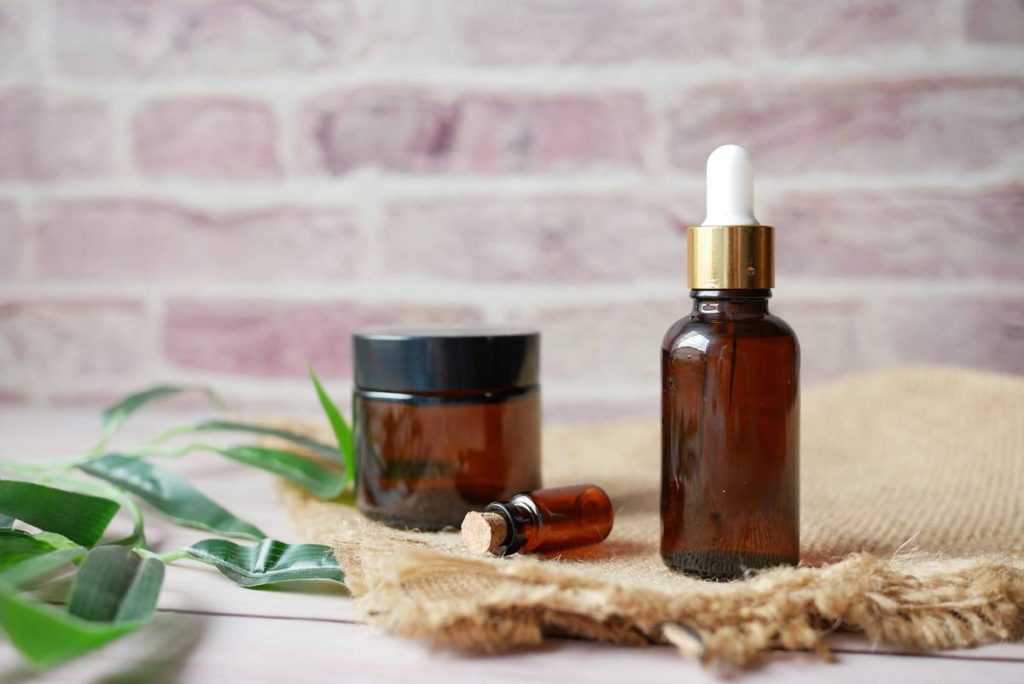
This isn’t a Pinterest craft. It’s a controlled extraction workflow adapted from phytotherapy clinics. You’ll need food-grade ethanol (at least 80 proof), distilled water, organic dried botanicals (never fresh—moisture invites mold), amber glass dropper bottles, and a digital scale.
Select Your Botanical & Target Compound
Match your plant to its primary therapeutic molecule. Calendula? Focus on triterpenoid saponins—use 60% ethanol. Licorice root? Glycyrrhizin is water-soluble; go 30% ethanol + 70% water. Rosemary? Carnosic acid demands 95% ethanol. Guessing = weak extract.
Grind, Measure, Macerate
Pulverize dried herb to coarse powder—not dust. Use 1:5 herb-to-solvent ratio by weight (e.g., 20g herb to 100ml solvent). Combine in amber glass, seal tightly, label with date and ratio. Store in dark, shake daily for 14 days. No shaking? Extraction efficiency drops 40%.
Strain, Press, Store
After 14 days, double-strain through cheesecloth then coffee filter. Press marc (spent herb) with a potato ricer—yes, really—to recover trapped liquid. Decant into sterile amber vials. Add 0.5% potassium sorbate if storing >3 months. Refrigerate. Shelf life: 12 months unopened, 6 months after opening.
| Botanical | Target Compound | Optimal Solvent Ratio (Ethanol:Water) | Maceration Time |
|---|---|---|---|
| Calendula officinalis | Triterpenoid saponins | 60:40 | 14 days |
| Lavandula angustifolia | Linalool, linalyl acetate | 80:20 | 10 days |
| Glycyrrhiza glabra | Glycyrrhizin | 30:70 | 21 days |
| Rosmarinus officinalis | Carnosic acid | 95:5 | 7 days |

The Industry Secret: Dual-Phase Sequential Extraction
Here’s what commercial brands won’t tell you: single-solvent extracts capture only 60–70% of actives. Real therapeutic potency requires sequential dual-phase extraction. First, run a high-water phase (30% ethanol) for 7 days to pull glycosides and mucilages. Strain. Then immediately add high-ethanol solvent (90%) to the same marc for another 7 days to extract resins and volatile oils. Combine both tinctures. You’ll get a full-spectrum profile rivaling CO2 extracts—but at 5% of the cost. The math is simple: two extractions, one herb, double the clinical relevance.
Frequently Asked Questions
Can I use vodka instead of pure ethanol?
Yes—if it’s 80 proof (40% alcohol). But higher purity gives better yield. Avoid flavored vodkas; sugars feed microbes.
How do I know my extract is potent enough?
Smell and color are clues—deep hue, strong aroma. But real validation? Patch-test on irritated skin. If redness fades within 24 hours, you’ve got bioactive concentration.
Are fresh herbs ever acceptable?
Rarely. Their water content dilutes solvent strength and risks fermentation. Exception: high-volatile plants like lemon balm—use 1:2 fresh herb to 95% ethanol, freeze-dried if possible.