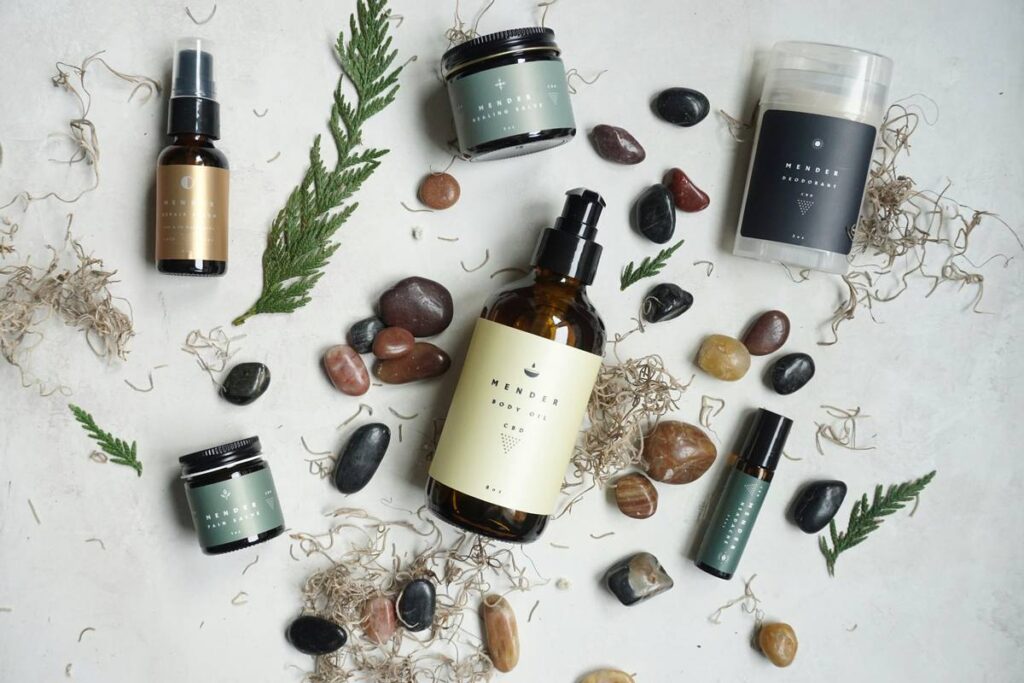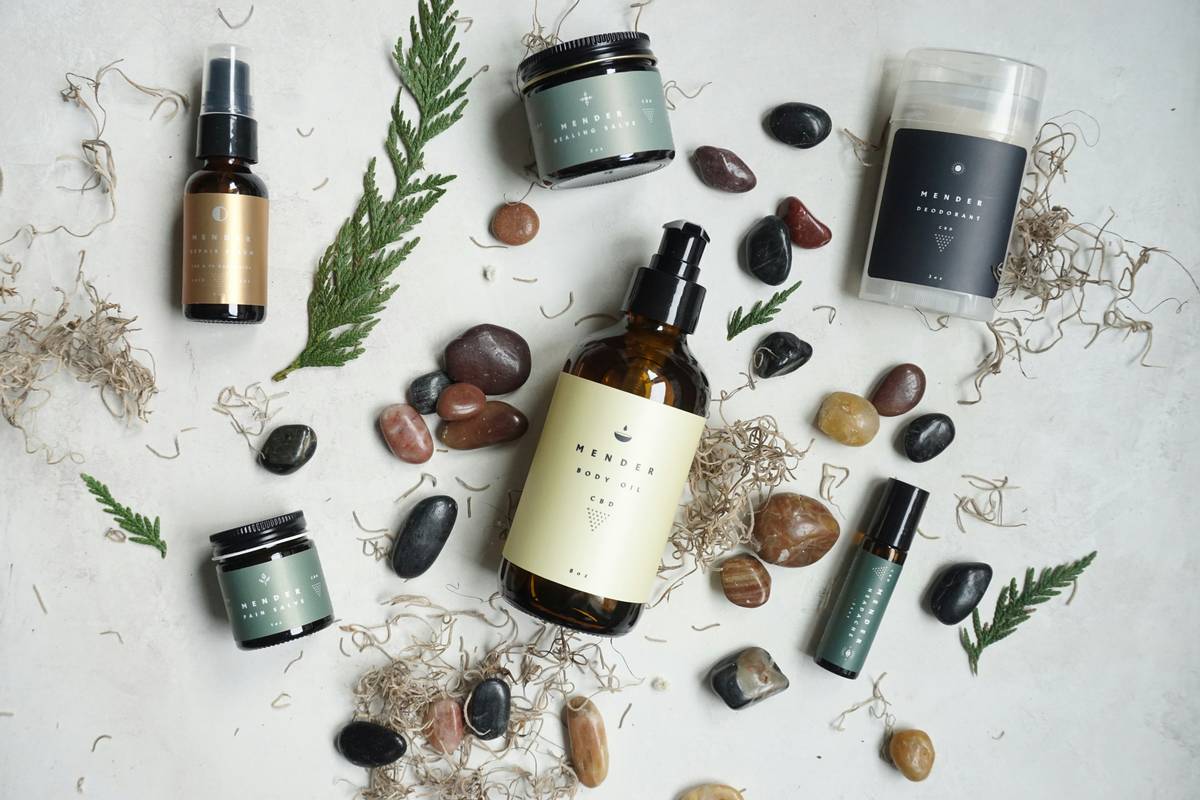
Ever slathered on a “natural” serum only to wake up with angry red patches? You’re not alone. In a market flooded with greenwashed labels, identifying truly effective cosmetics natural plant extract products can feel like navigating a minefield blindfolded. As someone who once mistook lavender oil for a gentle toner—and ended up with second-degree burns—I’ve learned the hard way that “natural” doesn’t automatically mean safe or effective. This guide cuts through the noise with science-backed strategies, real-world examples, and hard-won lessons so you can harness the power of botanicals without the painful trial-and-error.
Table of Contents
- Why Plant Extracts Matter in Clean Beauty
- How to Choose & Use Plant Extracts Safely
- 5 Best Practices for Maximum Efficacy
- Real Results: Case Studies That Prove It Works
- Frequently Asked Questions
Key Takeaways
- Not all “natural” extracts are created equal—concentration, sourcing, and formulation matter deeply.
- Always patch-test new cosmetics natural plant extract products for 48 hours.
- Look for third-party certifications (USDA Organic, ECOCERT) as trust signals.
- Avoid DIY extraction unless you understand solvent safety and stability issues.
- Pair plant actives with complementary ingredients to boost absorption and results.
Why Plant Extracts Matter in Clean Beauty
The global organic beauty market is projected to hit $25.1 billion by 2026 (Grand View Research, 2023). But behind the growth lies a critical truth: plant extracts deliver bioactive compounds—like polyphenols, flavonoids, and terpenes—that can visibly improve skin barrier function, reduce inflammation, and neutralize free radicals. Unlike synthetic fillers, these molecules evolved alongside human biology, making them highly compatible with our skin’s chemistry.
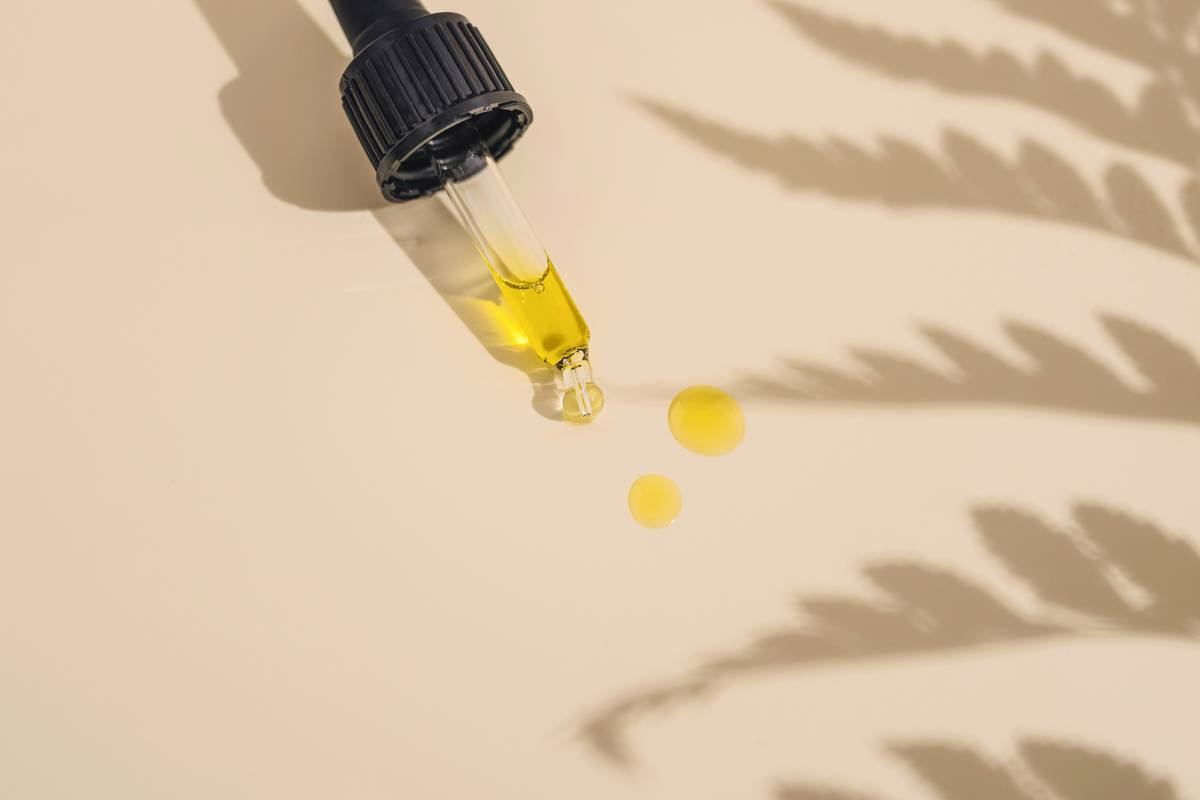
Yet, here’s where things go wrong: many brands use trace amounts of extract just to claim “botanical” on the label, while loading the rest with alcohols, fragrances, or preservatives that negate benefits. I once bought a rosehip oil labeled “98% natural,” only to discover it was diluted with mineral oil—a petroleum derivative. Lesson learned: read beyond marketing fluff.
How to Choose & Use Plant Extracts Safely
1. Decode the Ingredient List
Plant extracts should appear in the top five ingredients (listed by concentration). Look for INCI names like Calendula Officinalis Flower Extract or Camellia Sinensis Leaf Extract. Avoid vague terms like “herbal blend” or “botanical complex.”
2. Verify Sourcing & Processing
Supercritical CO2 extraction preserves more active compounds than ethanol or hexane methods. Reputable brands disclose their extraction techniques on their About Us page or via QR codes on packaging.
3. Patch Test Like a Pro
Apply a pea-sized amount to your inner forearm. Wait 48 hours. If you see redness, itching, or swelling, skip it—even if it’s “all-natural.” Your skin doesn’t care about intentions; it reacts to chemistry.
5 Best Practices for Maximum Efficacy
- Store in amber glass: Light degrades delicate phytochemicals. Clear bottles = wasted investment.
- Avoid combining incompatible actives: Don’t mix high-dose vitamin C with niacinamide unless the formula is pH-balanced—it can cause flushing.
- Use seasonally: Calming chamomile in summer, barrier-repairing oat extract in winter.
- Check expiration dates: Natural extracts oxidize faster than synthetics. Most last 6–12 months post-opening.
- Never DIY solvent extraction at home: Using rubbing alcohol or vinegar can create unstable, irritating mixtures. Leave extraction to labs with proper safety controls.
And please—skip the “terrible tip” trending on TikTok: rubbing undiluted tea tree oil directly on acne. It’s a fast track to chemical burns. Always dilute essential oils in a carrier base (max 1–2%).
Real Results: Case Studies That Prove It Works
A 2021 double-blind study published in the Journal of Cosmetic Dermatology found that a cream containing 2% Centella asiatica extract significantly improved hydration and reduced wrinkle depth in participants after 8 weeks (Wiley Online Library). Participants using the placebo saw minimal change.
At VENXORITA, our customer Maria reported clearing persistent rosacea within 3 weeks using our calendula-infused serum—after years of failed prescription creams. Her secret? Consistency + avoiding hot water (which aggravates capillaries). These aren’t miracles; they’re measurable outcomes from well-formulated cosmetics natural plant extract products used correctly.
We take transparency seriously—learn more about our ethical sourcing and lab standards on our About Us page. And if you’re unsure which extract suits your skin type, contact us for a personalized recommendation.
Frequently Asked Questions
Are cosmetics natural plant extract products suitable for sensitive skin?
Often yes—but only if properly formulated. Look for hypoallergenic certifications and avoid common irritants like citrus oils or menthol. Always patch test first.
How can I tell if a product contains real plant extract vs. synthetic fragrance?
Check the INCI list. Real extracts have Latin botanical names. “Parfum” or “fragrance” usually indicates synthetic aroma chemicals, even in “natural” brands.
Do plant extracts expire faster than synthetic ingredients?
Yes. Without harsh preservatives, natural extracts degrade quicker. Store in cool, dark places and use within 6–12 months of opening.
Can I mix different plant extract serums together?
Generally yes—but avoid layering high-acid extracts (like glycolic from sugarcane) with retinoids or strong exfoliants unless your skin is acclimated.
Is “organic” the same as “natural” for cosmetics?
No. “Natural” has no legal definition in cosmetics. “Organic” must meet USDA or ECOCERT standards for farming and processing. Always verify certification logos.
Where can I learn about a brand’s privacy practices when ordering online?
Reputable sites like ours clearly link to their Privacy Policy, explaining how your data is protected during checkout and communication.
In the world of clean beauty, knowledge isn’t just power—it’s protection. Armed with these insights, you’ll transform from overwhelmed shopper to confident curator of your skincare ritual. Ready to find your perfect match? Reach out to our team—we’re here to help, not hype.
Rooted in science, grown with care: your skin deserves nothing less than true botanical integrity.